
Working with an Architecture Firm in Zambia: What to Expect

Two kinds of work
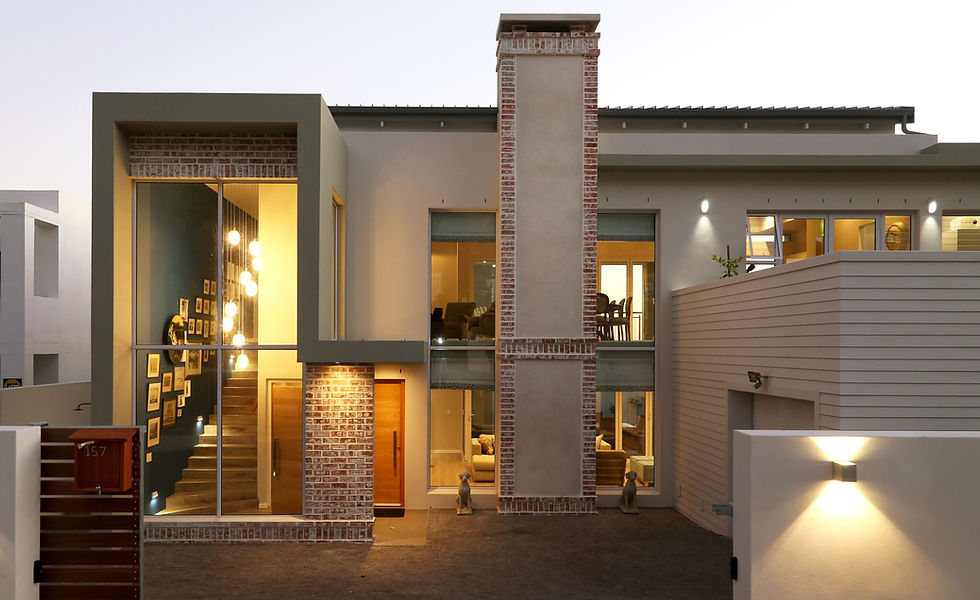
Our Zambian work sits in two parts. The first is built-environment design: homes, workplaces and public buildings, handled the way we handle any project. The second is livelihood restoration and resettlement, carried out in consultation with project affected people. The two inform each other more than you might expect, because both begin by listening to who is already on the land.
Design that answers to place
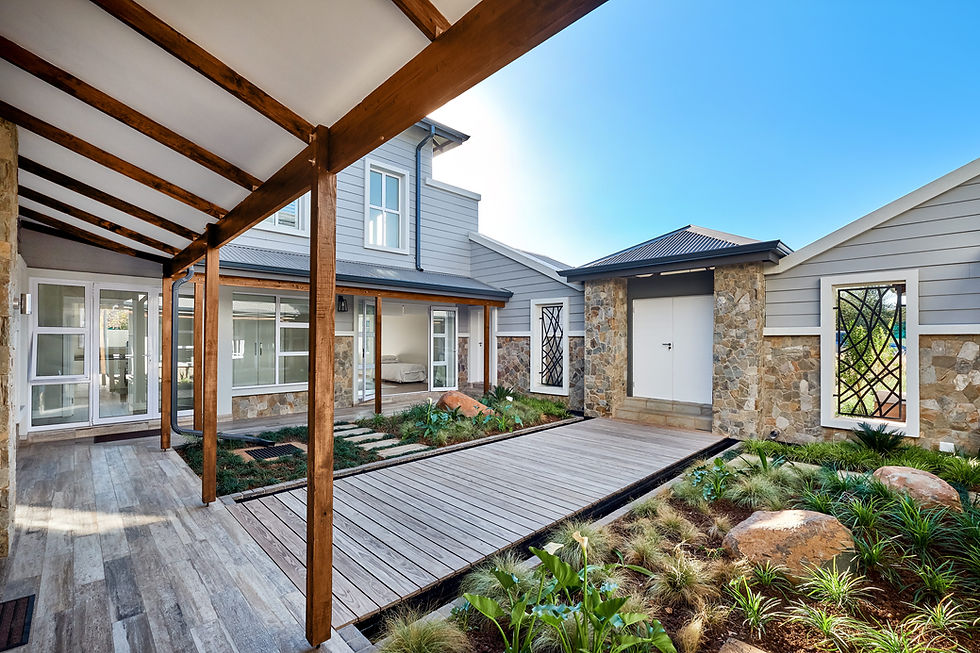
Climate, material availability and local building skill are not the same as they are on the Highveld, and a design that ignores that becomes expensive on site. We plan around what can be sourced and built well nearby, and around shade, ventilation and the movement of water, rather than importing a solution wholesale and asking the site to accommodate it.
Resettlement is a design problem too
Where a project displaces people, the plan is not a technical afterthought. Livelihood restoration means understanding how households actually earn, farm, fetch water and get to school — and then planning so that those things survive the move. We work in consultation, document what we hear, and hold the plan to it.
Working across a border
Programme, approvals and travel are worth planning honestly at the start. We set out the meeting rhythm, who will be on site and when, and where local professional input is required, so that the timeline reflects the distance rather than pretending it away.
Starting a project in Zambia
Tell us where the site is, who it affects, and what you need it to do. We will tell you plainly what is possible, what it will take, and where we would bring in local expertise alongside our own.

Comments